3 Ethical Risks of AI in Video Production For Marketers
“At Lamplight Media, we believe AI shouldn’t be ignored. The industry is changing, and where we can implement it without polluting our creative output, then we would be misguided not to.”
— Tim Marsh, Managing Director | Lamplight Media
Marketers: we all know AI has created a new headwind for our industry. Some of us are changing tack. Others are seeing which way the wind blows before setting sail. Most are keeping a watchful eye, and trying their best to stay relevant. The reality is that we are already seeing the fallout from early adopters. So much so that the Advertising Association has published their Best Practice Guide for the Responsible Use of Generative AI in Advertising, a clear framework for how brands and agencies should actually be using these tools. With this in mind, here are three ethical risks of AI in video production, and how to navigate them:
Generative imagery: A license to lie?
Most controversial, in our sector, has to be the use of entirely synthetic moving imagery. Whilst CGI and its offspring have been around for years; this technology is now in the hands of ‘everyday’ advertisers. Post-Photoshop, photorealistic video was the last bastion able to be trusted as genuine. Not so anymore. Remember the point of advertising is to build trust: and if you’re not representing your product in a truthful way, that trust loop with your customer is instantly broken. If you’re a short-life e-commerce company, that may not matter to you. If you’re a brand built on reputation, make sure this thinking is core to your creative strategy.

The algorithm doesn't care about brand safety
The ASA guide dedicates a full principle to brand safety: ensuring that AI-generated content and AI-driven ad placement genuinely aligns with your brand values, not just your targeting parameters. For video advertisers trusting algorithmic ad placement, this is critical. You can produce beautiful content and have it appear next to something that damages everything it was meant to build. AI optimises for metrics; it doesn't inherently care about context. That's still your job. Consider using above the line channels; such as TV, out of home, or national online display distribution. The ads here are regulated, thus good company to keep.
Devaluing your brand. It’s fine if it’s ‘good enough,’ right?
Some brands operate on the principle of ‘good enough is good enough.’ Others want to be the best at what they do. If you’re a brand in the former camp, then GenAI video is the correct solution in 2026. It’s cheaper, faster, and avoids you having to deal with ‘creatives’ with ‘opinions’ on how your brand should look. If you think otherwise, then you may feel that anything that represents your brand should have the same attention to detail as your work. That includes your shop window. GenAI video is great for some businesses. But it is not flawless. Tasteful advertising still requires human ideation, human skill, and human emotional investment. At least for now…
So, what about us?
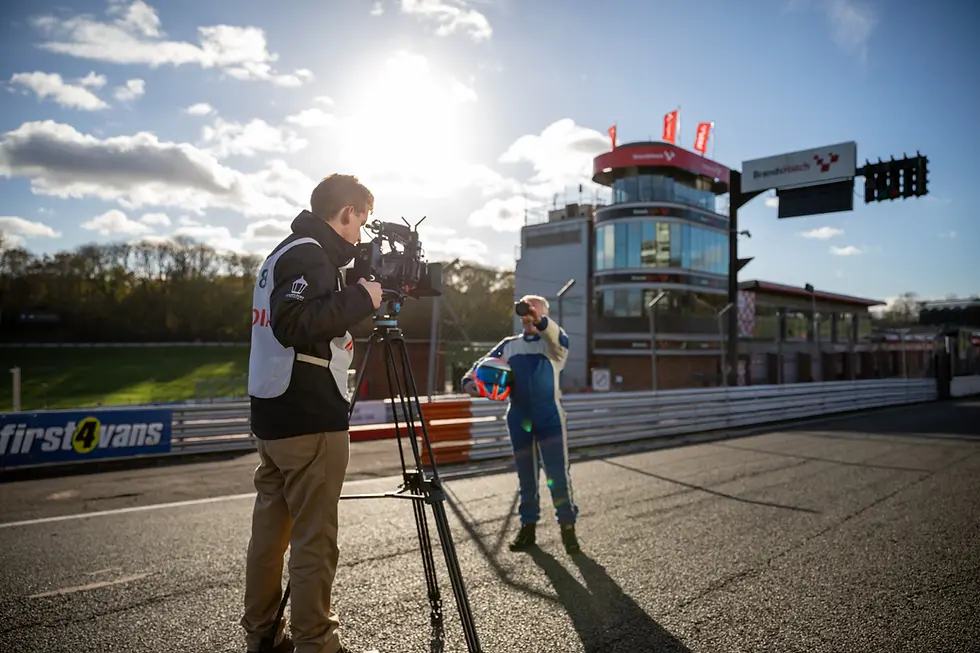
At Lamplight Media, we believe AI shouldn’t be ignored. The industry is changing, and where we can implement it without polluting our creative output, then we would be misguided not to. However, human-led storytelling, whether scripted or non-scripted, is core to our product. And the impact of human stories on other humans won’t be devalued because of AI